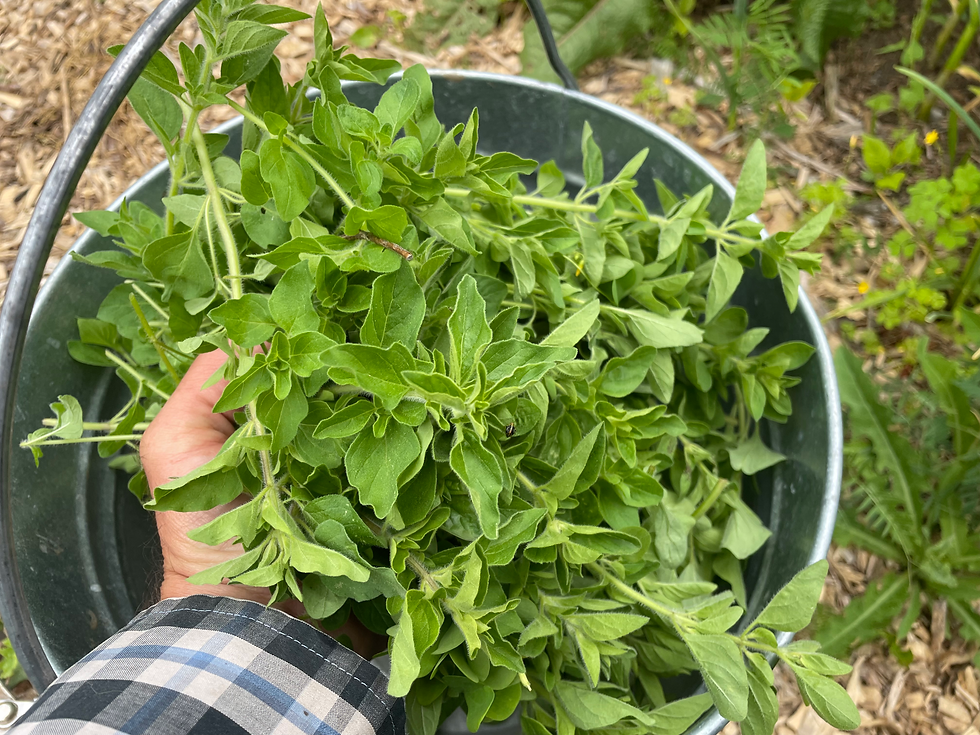


Italian Parsley (Petroselinum crispum var. neapolitanum)
CA$5.00
Excluding Sales Tax
Italian Parsley, also known as Flat-Leaf Parsley, is a wonderfully flavourful and versatile culinary herb with broad, deep green leaves and a fresh, rich parsley flavour. Its flavour is generally more pronounced than that of curly parsley, making it a favourite for cooking and seasoning all kinds of dishes.
Both the leaves and tender stems are edible and delicious in soups, stews, sauces, salads, marinades and countless other recipes. Use it fresh throughout the growing season, or dry or freeze the leaves to enjoy its flavour all year long. Italian Parsley is also a good source of vitamins A, C and K.
Parsley is a biennial, producing abundant foliage during its first year and flowering and setting seed in its second. If allowed to flower, its clusters of tiny yellow-green flowers attract beneficial insects, including hoverflies and parasitic wasps. Allow some seeds to mature and fall naturally, and parsley can establish itself in your garden through self-seeding.
Grow in full sun to partial shade in fertile, well-drained soil enriched with compost. Parsley appreciates consistent moisture but becomes relatively tolerant of dry conditions once established. Harvest outer stems regularly, leaving the centre of the plant to continue producing fresh growth. Some of our best harvests come in the fall, especially when other vegetables have stopped producing, and again in the spring of the second year. Harvest sparingly during that second spring to allow the plant to flower and produce seeds. We've also discovered that after harvesting the mature seeds, our parsley plants can produce fresh new growth, potentially continuing into a third growing season and producing seeds again!
Start seeds indoors 6–8 weeks before the last spring frost, or direct sow outdoors in spring or fall. Parsley seeds can be slow to germinate, often taking 2–4 weeks. Sow approximately 5 mm deep and keep the soil consistently moist during germination. Fall sowing can allow seeds to germinate naturally when conditions are favourable in spring. Established plants are quite cold tolerant and may overwinter in colder climates, producing an early harvest before flowering in their second year.
At least 25 seeds per packet.
Quantity