


Broadleaf Plantain (Plantago major)
CA$5.00
Excluding Sales Tax
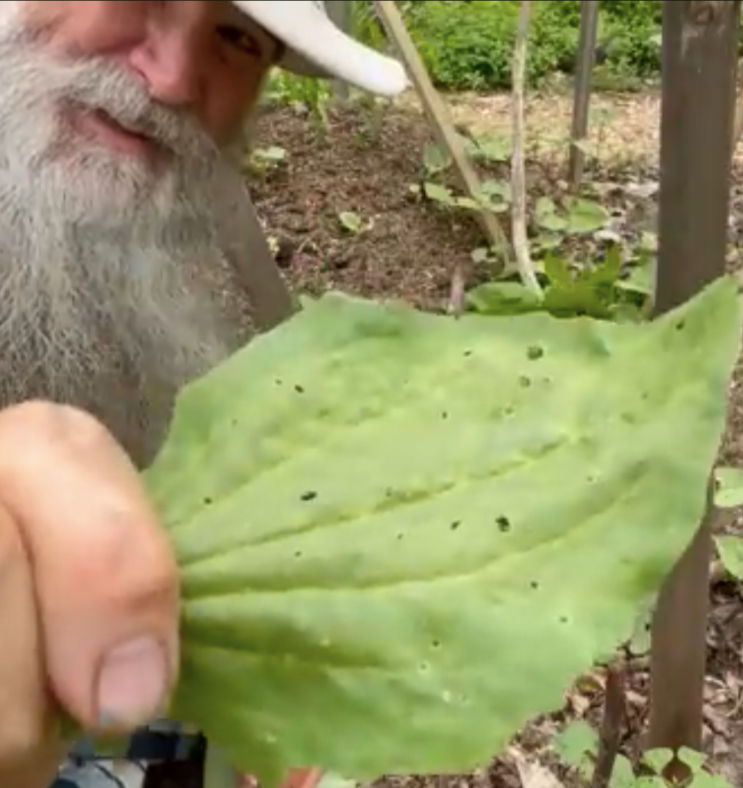
Often dismissed as a “weed,” broadleaf plantain is one of the most generous and useful plants you can welcome into a garden or food forest. It thrives in disturbed soils, along pathways, and in lawns — quietly offering food and first aid at your feet.
The fresh leaves are famous as a simple field remedy: crush or chew them and apply directly as a poultice to minor cuts, scrapes, stings, and bruises. Traditionally, plantain has been valued for its soothing, drawing, and cooling properties.
Young leaves are edible and mild. Harvest when tender for salads, pesto, smoothies, or light sautéing. As leaves mature, they become more fibrous but are still excellent chopped finely and cooked in soups or stews. The prominent leaf ribs can be removed in older leaves for a more tender texture.
The seeds are also useful. Like psyllium (traditionally sourced from Plantago ovata), they contain mucilage and can absorb water, forming a gel. They may be used similarly to chia for added fibre, and can help thicken sauces or porridges when soaked. As with any high-fibre food, use in moderation and with adequate hydration.
Plantain is deeply resilient, tolerant of foot traffic, compacted soils, and a wide range of climates — a true ally plant.
Planting & Germination
Broadleaf plantain germinates best with natural cold stratification. Direct sow outdoors in late fall or winter for best results. It can also be direct sown in early spring. Press seeds onto the soil surface and keep lightly moist — they require light to germinate.
At least 100 seeds per packet
Note: Seeds of narrowleaf plantain (Plantago lanceolata) will be added to the catalogue in late summer.
Quantity